 Agents Available 24/7
How to Get Rid of Wasps: Best Methods for a Wasp-Free Home
Wasps can pose a serious threat, especially if you’re allergic or have kids and pets. If you’re trying to find out how to get rid of wasps, this article is for you. We’ll guide you through identifying wasp species, recognizing signs of an infestation, and applying both natural and professional methods to eliminate them.
Wasps help control other insects and can benefit gardens, but they become a concern when they build nests near homes or high-traffic areas. The most common homeowner wasps include paper wasps, yellow jackets, and mud daubers, each with different nesting habits and risk levels.
Identifying Wasp Species
Recognizing your adversary is key when dealing with wasps. These insects are typically identified by their slender bodies, distinct waists, and color patterns—ranging from black and yellow to black and white, or black and red stripes. Honey bees, on the other hand, are generally more robust, have hairy bodies, and play a crucial role in pollination and honey production, making them ecologically important and behaviorally different from wasps.
There are two main categories of wasp species: solitary wasps and social wasps. In this guide, we’ll focus on three common types: yellow jackets, paper wasps, and mud daubers, each with its unique characteristics and behaviors.
Yellow Jackets
Yellow jackets are one of the most recognizable wasp species due to their distinctive black and yellow striped bodies, typically measuring about one-half inch long. These social wasps build nests in the ground, in trees, under eaves, and in attics, often containing between 500 and 15,000 individuals.
They are highly territorial and known for their aggressive behavior, especially during the summer and fall when new wasps are most active. When you notice these insects swarming, identifying their nesting sites and acting promptly is essential.
Paper Wasps
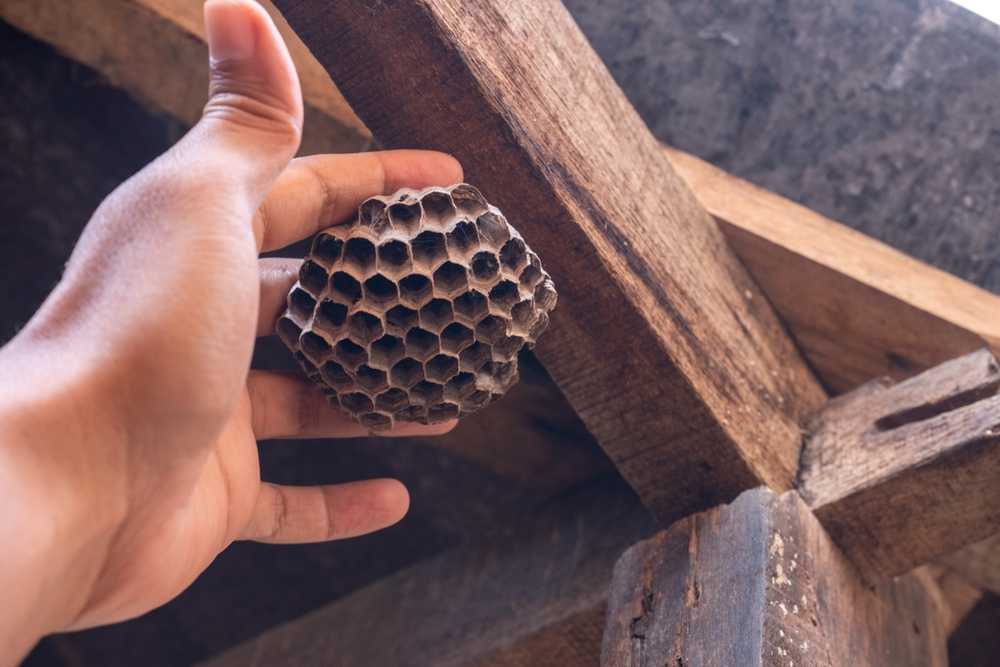
Paper wasps are another common type of wasp, easily identified by their brown or reddish-brown coloration with yellow markings. These social wasps build nests that resemble upside-down umbrellas, often containing up to 400 cells.
These nests are constructed from wood fiber, which paper wasps chew and mix with their saliva to form a papery substance. Unlike bees, paper wasps tend to be less aggressive but will still defend their nests if threatened.
Mud Daubers
Mud daubers are quite different from other wasps. They are dark black or blue metallic with yellowish or green markings and have long thin waists. These solitary wasps are known for their unique tubular nests made from mud, typically with only one wasp residing in each tube.
Mud daubers are not aggressive and rarely sting, making them relatively harmless to humans. However, their presence can still be unsettling, especially when they build their nests on buildings and homes.
Signs of a Wasp Infestation
Spotting wasp activity early can prevent a bigger problem. Common signs include increased wasp traffic in one area, visible nests, buzzing sounds near walls or ceilings, and damage from wasps collecting wood fibers. If you consistently see many wasps in the same spot, a nest is likely nearby.
Increased Wasp Activity
A large number of wasps flying in a specific area strongly indicates a nearby nest. Yard wasps are often attracted by food sources, flowering plants, or open trash, so removing these attractants can help reduce their numbers. Since wasps are most active during the day, their activity is easier to spot.
Regularly spotting wasps in certain areas around your home can further confirm a potential wasp nest.
Nesting Sites
Wasps prefer nesting sites that are protected from the elements and provide cover from predators. Paper wasps commonly build their nests under eaves, in trees, and near buildings. Wasps nests are typically built underground in hidden locations by yellow jackets.
Checking these typical spots can help detect wasp nests early. Wasps often use wood fibers from wooden structures like fences, outdoor furniture, and garden stakes to build their nests.
Chewed Wood
Chewed wood can indicate wasps are collecting fibers to build a nest. Look for scraping or rough patches on fences, garden stakes, outdoor furniture, and other exposed wood near areas with frequent wasp activity.
Noticing this damage early allows you to act before the issue escalates.
Natural Remedies to Get Rid of Wasps
Natural remedies can be an effective and eco-friendly way to manage wasp infestations. They can also help discourage wasps from nesting or entering certain areas. Using essential oils like peppermint oil, vinegar spray, and soap and water solutions can help deter wasps and eliminate existing nests without the need for chemicals.
These methods offer safety for your family, pets, and the environment.
Essential Oils
Essential oils like peppermint, eucalyptus, and citronella are effective at repelling wasps. Mix a few drops of these oils with water in a spray bottle and apply around your home, especially on potential nesting sites.
This natural alternative to chemicals offers a safer way to repel wasps and use wasp spray.
Vinegar Spray
A vinegar spray solution can disrupt wasps and prevent them from nesting. Create this spray by mixing equal parts vinegar and water, then apply it to active wasp areas.
Vinegar masks the scents that lure wasps, effectively repelling them.
Soap and Water Solution
A simple soap and water solution can be highly effective in getting rid of wasps. This method is especially effective for treating small wasp nests, particularly when applied at dusk for safety. Mix two tablespoons of dish soap with water in a spray bottle and spray directly onto the wasps. The soap blocks their breathing pores, suffocating and killing them instantly.
DIY Wasp Traps
DIY wasp traps are a practical and cost-effective way to reduce wasp populations around your home. These traps lure wasps with a sugary, sticky solution and trap them inside.
DIY wasp traps are also effective for controlling other pesky insects that invade outdoor spaces, helping to minimize nuisance and safety risks. Using a few household items, you can craft an effective wasp trap to keep your space wasp-free.
Sugar Water Trap
Cut off the top of a plastic bottle to create a funnel and fill the bottom with sugar water or fruit juice. The sweet scent lures wasps into the bottle, trapping and eventually drowning them.
Safety Precautions
Safety should always come first when dealing with wasps and their nests. Before approaching a wasp nest, make sure to wear protective clothing such as long sleeves, pants, gloves, and a veil or hat to shield your face and neck. Avoid wearing bright colors or floral patterns, as these can attract wasps, and skip perfumes or scented lotions that may lure wasps closer. Move slowly and calmly around the nest—sudden movements can agitate wasps and increase the risk of wasp stings. Never attempt to touch or disturb a nest with bare hands. If you have a known allergy to wasp stings or feel uncomfortable handling the situation, it’s best to call a professional pest control expert to safely remove the nest and minimize the risk of injury.
Removing Food Sources
Keep your yard clean to deter wasps. Fallen fruit from fruit trees can attract wasps and should be cleaned up regularly. Garbage cans should be kept sealed and clean to prevent wasp attraction. Open trash cans are a major attractant for wasps and should always be kept closed. Avoid leaving food debris, seal trash cans, and use plastic bags for food waste to prevent attract wasps.
Regularly changing bird bath water and covering compost piles also help keep wasps away.
Sealing Entry Points
Inspect areas around vents and eaves for openings that could allow wasps access to your home. Seal small cracks with silicone caulk to prevent wasps from nesting.
Doing this during colder months ensures wasps are inactive and reduces the risk of stings.
Installing Barriers and Decoys
Hanging fake nests creates a false sense of competition, discouraging wasps. Decoys like plastic owls or snakes mimic predators and also help deter wasps.
Barriers around outdoor dining areas can physically restrict wasp access, making your space more enjoyable.
Commercial Wasp Sprays
Commercial wasp sprays can quickly reduce activity when applied directly to a visible nest. For best results, treat nests at night or early morning when wasps are less active. Follow the label directions carefully and avoid spraying if the nest is in a risky or hard-to-reach location. If you have an allergy, the nest is large, or the wasps are inside a wall cavity, contact a professional instead.
Professional Wasp Control Solutions
When DIY methods fall short, professional wasp control is often the safest option. Pest control experts can locate nests, identify the species, and remove large or hard-to-reach colonies using specialized equipment and protective gear. Professional services are especially recommended if you have an allergy, the nest is inside a wall cavity, or wasps are nesting near high-traffic areas like doors, patios, or play spaces.
If you are dealing with a large or hard-to-reach infestation, or if safety is a concern, it is best to contact a professional exterminator.
By understanding the different types of wasps, recognizing the signs of an infestation, and employing both natural and professional solutions, you can effectively manage and prevent wasp problems. Whether you opt for DIY methods or seek help from professionals, taking these steps will ensure a safer, more comfortable environment. Remember, prevention is key, so keep your yard clean, seal entry points, and use barriers to keep wasps at bay.
Frequently Asked Questions
How can I identify if I have a wasp infestation?
If you notice a lot of wasps flying around, see visible nests, or hear buzzing noises near your walls, it’s a good chance you might have a wasp infestation. Keep an eye out for these signs to stay safe!
What are some natural remedies to get rid of wasps?
To get rid of wasps naturally, try using essential oils like peppermint or eucalyptus, vinegar spray, or a soap and water solution. These remedies are effective and easy to make!
How do I create a DIY wasp trap?
Creating a DIY wasp trap is simple! Just cut the top off a plastic bottle, invert it to form a funnel, and fill it with sugar water or fruit juice. Then hang it in areas where you see lots of wasps.
When should I hire a pest control expert for wasp removal?
If DIY methods aren’t working or you notice a large, aggressive wasp colony, it’s time to call in a pest control expert. They can manage the situation safely and effectively.
How can I prevent future wasp infestations?
Preventing future wasp infestations is all about keeping your yard tidy and sealing any entry points. Consider using decoys like fake nests to discourage them from settling in your space.
"*" indicates required fields
"*" indicates required fields