 Agents Available 24/7
Cockroach Bite: Symptoms, Prevention, and Treatment
Do cockroaches bite humans? Yes, although extremely rare, cockroaches can bite in cases of large infestations or extreme food scarcity. In this article, we’ll cover everything you need to know about cockroach bites: symptoms, prevention, and treatment.
- Cockroach bites are rare and typically occur during severe infestations or when food sources are scarce, primarily at night when humans are asleep.
- Symptoms include skin irritation, redness, raised bumps, swelling, and in severe cases, potential allergic reactions such as anaphylactic shock that require immediate medical attention.
- Preventing bites involves maintaining good hygiene, sealing food, eliminating dirty dishes, sealing gaps, and seeking professional pest control from licensed exterminators to address infestations promptly.
Do Cockroaches Bite Humans?
Cockroaches rarely bite humans. They prefer scavenging for food rather than biting people, but certain conditions can lead to cockroaches biting humans.
Bites usually happen during severe infestations or extreme stress, such as starvation. Scarcity of food and high population density may drive cockroaches to nibble on human skin. These nocturnal insects mostly bite at night when people are asleep.
Cockroach mandibles are not designed to pierce human skin, making their bites less severe than those from mosquitoes or bed bugs. Nonetheless, cockroach bites should be taken seriously due to potential health risks.
Identifying a Roach Bite
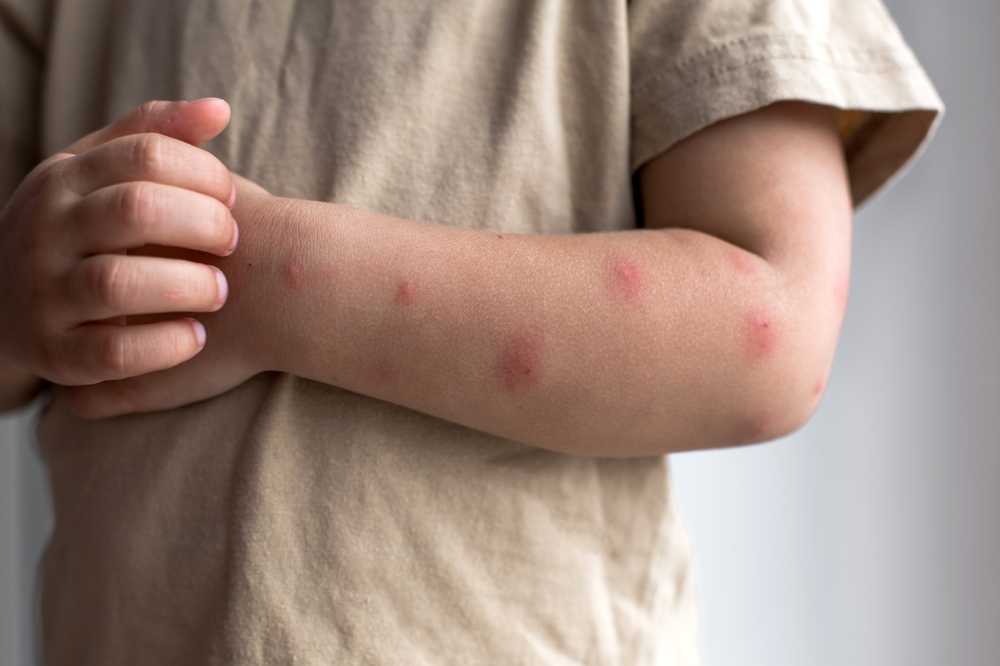
Identifying cockroach bites can be challenging as they often resemble other insect bites or skin reactions. They vary in size and appearance, typically appearing as small lesions or abrasions on skin areas such as the mouth, fingers, face, and hands, where food residue tends to accumulate.
Cockroach bites usually appear individually and are often larger than bed bug bites, which tend to appear in clusters. This can make cockroach bites easy to confuse with mosquito bites or flea bites. They are usually bright red and can cause significant skin irritation and discomfort.
Because these bites resemble other insect bites, consider the context in which a bite occurs. If you notice bites and have seen cockroaches around your home, they could be the culprits. Consult a medical professional if unsure about the origin of the bites.
Symptoms of Cockroach Bites
Reactions typically include skin irritation, redness, raised bumps, swelling, and itchiness. These symptoms usually cause mild discomfort but are generally not painful. However, reactions can vary from person to person.
In severe cases, bites can lead to lesions, swelling, and potential infections. If the bite becomes increasingly painful or shows signs of infection like pus or spreading redness, seek medical attention immediately. Cockroach saliva can trigger allergic reactions, leading to symptoms like itching, irritation, and swelling.
A serious complication is an allergic reaction. Symptoms like difficulty breathing or low blood pressure indicate severe allergic reactions such as anaphylactic shock and require immediate medical attention. Cockroaches also contribute to allergies through airborne particles from their fecal material and debris from dead cockroaches.
Monitor bite sites for severe symptoms. If symptoms worsen or do not improve with standard treatments, it may indicate a more serious issue requiring professional medical evaluation.
Why Do Cockroaches Bite?
Bites usually result from specific situations and behaviors. Most occur at night when people are asleep, as cockroaches are nocturnal. They are often attracted to food residue on the skin, particularly around the mouth and fingers, and this is especially true for babies.
Curiosity or the scent of food might trigger cockroaches to nibble on human skin and dead skin. Not washing hands, face, mouth, and fingers increases the likelihood of bites. Practicing good hygiene, like washing hands and face before bed, significantly reduces the chances of being bitten.
Maintaining good hygiene and consistent cleaning habits helps prevent bites and avoid infestations. Keeping your living space clean, eliminating dirty dishes, and keeping it free of food scraps deters these pests. Showering before bed can also eliminate food residues that might accumulate and attract cockroaches.
Health Risks Associated with Cockroach Bites
Though uncommon, the associated health risks can be significant. Cockroaches carry harmful bacteria and are known to spread disease, carrying up to 33 types of bacteria and multiple pathogens, making secondary infections a serious concern.
One primary health risk is food poisoning from ingesting food contaminated by cockroaches. Their saliva, feces, and body parts contain protein allergens that can trigger allergic reactions in sensitive individuals, causing histamine release and leading to inflammation and allergy symptoms.
Cockroach allergies are particularly prevalent among children, who are more susceptible to the allergens in cockroach debris. Symptoms can include itching, irritation, and swelling. In severe cases, bites and the allergens they carry can lead to more serious health issues.
Most bites occur in environments with significant infestations. Addressing cockroach problems promptly is crucial to mitigate these health risks. Thorough pest control and maintaining a clean environment can help prevent adverse effects associated with these bites.
Treating Cockroach Bites
Treatment involves straightforward steps. First, clean the bite area with warm water and soapy water to prevent infection and remove any bacteria present on the skin, reducing the risk of complications.
Applying an ice pack or cold compress can relieve pain and reduce swelling at the bite site. Aloe vera gel can soothe irritation and itchiness, and over-the-counter antihistamines can relieve swelling and itching.
Hydrocortisone cream can reduce inflammation and discomfort associated with these bites. If the bite site shows signs of severe pain, infection, or a severe allergic reaction, seek medical attention immediately. Persistent or worsening symptoms may indicate a need for professional medical evaluation.
Prompt and appropriate treatment can prevent complications and ensure quicker recovery. Monitor the bite site and follow these steps to manage any adverse reactions effectively.
Preventing Cockroach Bites
Prevention is better than cure, especially for these bites. Personal hygiene significantly reduces the likelihood of bites. Washing your hands, face, and mouth before sleep eliminates food residues that attract cockroaches.
Keeping food in sealed containers and regularly vacuuming to eliminate crumbs are crucial steps in deterring German cockroaches. Fixing leaking pipes and sealing cracks or gaps in walls can also prevent these pests from entering your living space.
Effective cockroach control includes inspection, protection, and detailed follow-ups for long-term solutions. Professional pest control services offer comprehensive treatments to keep your home free from cockroaches and other pests.
Maintaining a clean and hygienic environment is the best way to prevent bites and infestations. Proactive measures and seeking professional help when needed can protect your home and family from these unwelcome visitors.
Professional Help for Cockroach Infestations
Addressing a signs of a cockroach infestation cockroach infestation promptly is crucial to avoid potential bites and associated health risks. If you see a cockroach in your home, seek pest control treatments immediately to prevent an infestation.
Though rare, cockroach bites are a concern for many people. Understanding the symptoms, treatment, and prevention of these bites is essential for maintaining a healthy and pest-free environment. By practicing good hygiene and keeping your living space clean, you can significantly reduce the risk of cockroach bites.
Professional pest control services provide an effective solution for managing and preventing infestations. Their expertise and commitment to keeping homes pest-free ensure that you can live comfortably without the worry of these bites.
Taking proactive measures to prevent and address infestations is crucial. By following the guidelines provided in this article, you can protect yourself and your family from the potential health risks associated with cockroach bites.
Frequently Asked Questions
How common are cockroach bites?
Cockroach bites are extremely rare and typically happen only in severe infestations or stressful situations. It’s important to maintain cleanliness and seek pest control to prevent such incidents.
How can I identify a cockroach bite?
Cockroach bites can be identified by small lesions or abrasions, commonly located on areas such as the mouth, fingers, face, and hands where food residue can accumulate. If you notice such marks, it’s important to seek medical advice.
What are the symptoms of a cockroach bite?
Symptoms include skin irritation, redness, raised bumps, swelling, and itchiness. In severe cases, they may lead to lesions, infections, or allergic reactions.
How can I prevent cockroach bites?
To prevent cockroach bites, practice good hygiene by washing hands, face, and mouth before bed, seal food properly, vacuum regularly to remove crumbs, fix leaks, seal gaps, and eliminate dirty dishes. These steps help deter german cockroaches and other roaches.
When should I seek professional pest control services?
You should seek professional pest control services at the first sign of cockroaches to prevent infestations and health risks. Acting quickly can save you from more severe problems later on.
"*" indicates required fields
"*" indicates required fields