 Agents Available 24/7
How to Identify and Eliminate Black Ants in Your Home
Facing black ants at home? This guide covers black ant identification, their biology, habits, and proven ways to manage infestations.
- Identifying the type of black ants, such as black garden ants or carpenter ants, is crucial for effective infestation management.
- Preventing black ant infestations involves maintaining cleanliness, sealing entry points like cracks in walls and foundation, and using natural repellents.
- Professional pest control services offer tailored treatment plans and eco-friendly options for thorough ant management.
Identifying Black Ants
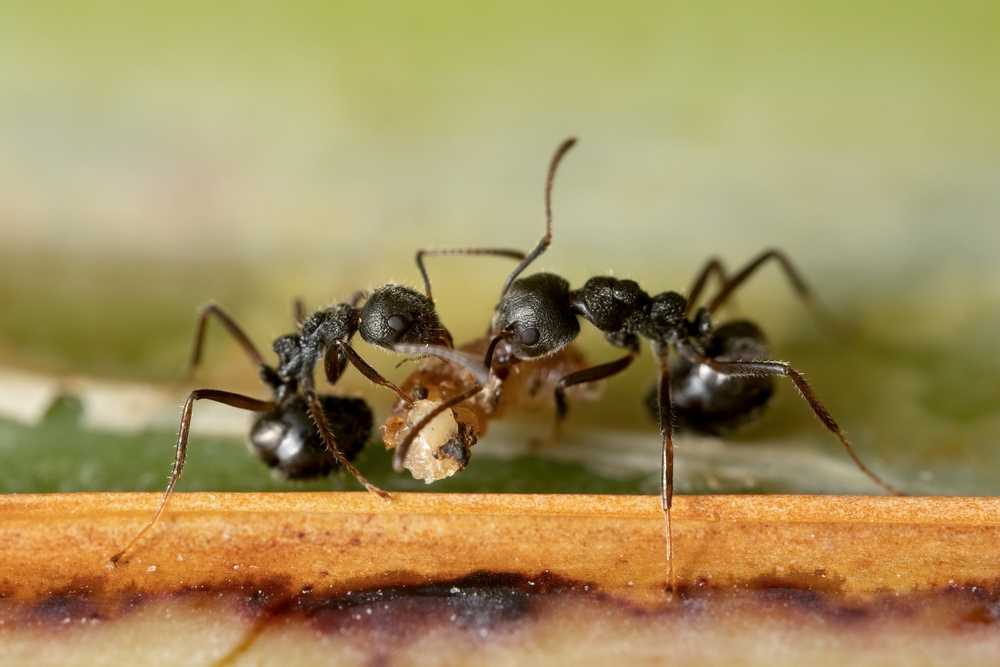
With around 600 ant species in Massachusetts, pinpointing the exact type of these insects infesting your house can be challenging, but necessary. Proper identification aids in selecting the most effective method to tackle the infestation. The two most common ants homeowners encounter are the black garden ant and the carpenter ant. Each has distinct physical traits and behaviors that set it apart from other ants.
Examining these ants helps you observe their appearance and habits, guiding you to the right solution.
Black Garden Ants
Black garden ants, or Lasius niger, are generally harmless pests inhabiting gardens and soft soil areas. These ants are small, typically measuring between 1/16 and 1/8 inch long, with a dark, shiny appearance. Their colonies often form under rocks, in lawns, and near garden plants, making them effective in garden maintenance.
During summer, large numbers of winged adults, known as flying ants, swarm and mate, then begin searching for new nesting sites. Although they prefer outdoor habitats, black garden ants may invade homes in search of food, especially sweets and honeydew from aphids. While not destructive, their presence indoors can be a nuisance.
Carpenter Ants
Carpenter ants present a different challenge. These larger ants, measuring 1/2 to 5/8 inch, have a smooth, curved thorax and shiny black appearance. Unlike termites, carpenter ants do not eat wood but excavate it to create nests, often in wet or damp wood near your house foundation or walls. This tunneling can cause structural damage over time.
Finding small piles of sawdust-like frass near damp wood indicates carpenter ant activity. During mating season, large numbers of winged males and females swarm to mate. After mating, females discard their wings and begin searching for new nest sites. Carpenter ants primarily feed on honeydew from aphids and other insects, as well as sweets, meat, and fruit.
Life Cycle of Black Ants
These ants undergo complete metamorphosis with four stages: egg, larva, pupa, and adult. The queen lays eggs in the brood chamber of the hive, which hatch into larvae fed by worker ants. Larvae molt several times before pupating. After pupation, adult ants emerge and begin their roles as workers, males, or queens.
Understanding this biology helps target the right developmental stages to disrupt the colony and prevent infestations.
Common Food Sources
These insects have a varied diet including sweets, ripe fruits, grease, carbohydrates, meat, and honeydew secreted by aphids. They may also feed on nectar from plants and other insects. This opportunistic feeding behavior helps them survive in diverse environments.
Eliminating accessible food sources by sealing containers, cleaning spills, and managing aphid populations near your home can reduce infestations.
Signs of an Infestation
Large numbers of ants inside your house, especially in kitchens and pantries, indicate an infestation. Ants leave scent trails to food sources, which other ants follow, making it easier to observe and track their movements.
Watch for ants carrying food back to their nest, often following direct paths along walls or foundation cracks. Sweet baits can help locate nests by attracting foraging ants.
Preventing Ant Infestations
Preventing infestations involves blocking entry points such as cracks in walls, doors, windows, and foundation. Keep your house clean, store food in sealed containers, and promptly clean crumbs and spills. Using natural repellents like cinnamon and cayenne pepper around entry points can deter ants without chemicals.
Maintaining a dry environment by fixing leaks and reducing wet wood near your home discourages carpenter ants from nesting.
Effective Solutions for Elimination
Combining natural remedies, chemical treatments, and professional pest control offers the best chance to eliminate ants.
Diatomaceous earth works by drying out ants and is safe for children and pets. Essential oils like peppermint and tea tree oil repel ants when sprayed around common entry points and trails.
Commercial ant sprays containing imiprothrin or cypermethrin can effectively control ants. Use cautiously to protect humans, pets, and beneficial animals.
Professional Pest Control
Contacting a professional offers specialized ant control using child- and pet-safe products for quick relief. This expertise ensures minimal disruption while delivering thorough and sustainable pest management.
Understanding these insects’ biology, habits, and life cycle empowers you to prevent and manage infestations. Whether dealing with black garden ants or carpenter ants, early detection, prevention, and appropriate elimination methods keep your home ant-free. For persistent problems, professional services provide reliable, eco-friendly solutions.
Frequently Asked Questions
How can I identify black garden ants?
Black garden ants are small, shiny black insects about 1/16 to 1/8 inch long, commonly found outdoors but sometimes entering homes.
What are signs of a carpenter ant infestation?
Look for large black ants indoors, sawdust-like frass near damp wood, and ants swarming in large numbers during mating season.
What natural remedies eliminate black ants?
Diatomaceous earth and essential oils such as peppermint and tea tree oil effectively repel and eliminate ants.
Are chemical treatments safe for pets?
When used according to instructions, chemical treatments can be safe, but professional advice is recommended.
"*" indicates required fields
"*" indicates required fields