 Agents Available 24/7
Dust Mites Bites: Causes, Symptoms, and Effective Treatments
Searching for information on “dust mite bites” can be confusing. Dust mites do not bite humans, as they cannot bite; however, their feces and decomposing bodies trigger allergic reactions. This article explains what causes these reactions, how to identify them, and effective ways to prevent and treat symptoms caused by dust mites.
- Dust mites cannot bite humans, but their feces and dead bodies trigger allergies, producing symptoms such as sneezing, nasal congestion, and asthma symptoms.
- People manage dust mite allergies effectively by cleaning regularly, washing bedding in hot water, dusting often, controlling humidity levels, and using allergen-proof covers to protect mattresses and pillows.
- Healthcare professionals diagnose dust mite allergies through skin prick tests or blood tests. Treatment options include over-the-counter medications, prescription treatments, and allergy shots involving small doses of allergens.
Understanding Dust Mites
Dust mites are tiny bug-like creatures invisible to the naked eye that cause major distress for people allergic to dust mites. These house dust mites feed primarily on dead skin cells and live in bedding, upholstered furniture, box springs, stuffed animals, and carpeting—key locations where dust mite allergens accumulate.
Due to their microscopic size, eliminating dust mites is challenging. Therefore, minimizing dust mite exposure and reducing humidity levels in the home are essential strategies to reduce dust mite populations and allergy symptoms.
Do Dust Mites Bite Humans?
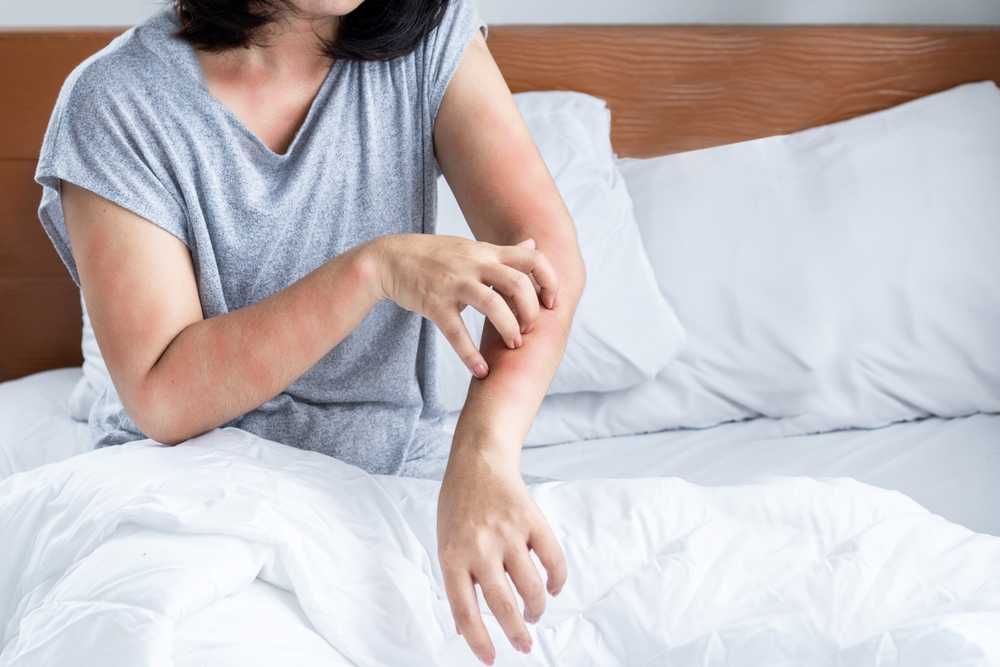
A common misconception is that dust mites bite humans, causing painful welts. In reality, dust mites do not bite humans. Allergic reactions occur due to proteins found in dust mite feces and dead bodies, which can cause symptoms that mimic bites. Understanding this distinction is crucial for effective dust mite prevention and allergy management.
Symptoms of Dust Mite Allergies
Allergic reactions to dust mites produce symptoms similar to hay fever and asthma. Common symptoms include:
- Sneezing
- Coughing
- Nasal congestion, which often worsens at night or during dusting and cleaning of hard surfaces
- Itchy, red, and watery eyes
In severe cases, dust mite allergies can cause persistent coughing, facial pressure from nasal inflammation, asthma attacks, and skin reactions resembling eczema, including dryness, crusting, and itching.
If symptoms persist despite preventive measures, seeking medical attention is important for proper diagnosis and treatment.
Identifying Dust Mite Allergy
Symptoms such as sneezing, a runny nose, coughing, and an itchy throat may indicate dust mite allergies. People with asthma may experience worsened symptoms like wheezing and restricted breathing due to dust mite exposure. A family history of allergies combined with ongoing dust mite exposure increases the risk of developing dust mite allergies.
Consulting a healthcare professional is recommended for diagnosis and treatment. Preparing a list of symptoms and questions before your appointment can help ensure efficient and effective care.
Diagnosing Dust Mite Allergy
Allergists diagnose dust mite allergies using allergy tests such as:
- Skin prick test: Small amounts of dust mite proteins are applied to the skin to observe allergic reactions within 15 minutes.
- Blood test: Measures levels of IgE antibodies that react to dust mite allergens.
Doctors may also examine the nasal passages for swelling or discoloration indicative of allergic reactions.
Effective Treatments for Dust Mite Allergies
While it is impossible to eliminate dust mites, reducing dust mite exposure and using allergy medications can significantly lessen symptoms.
Over-the-Counter Medications
Common OTC medications include antihistamines to block immune responses and relieve sneezing, watery eyes, and itching. Decongestants reduce nasal swelling to improve breathing, but should be used cautiously, as prolonged use of nasal sprays (over three days) may worsen symptoms. People with high blood pressure, glaucoma, or cardiovascular disease should consult a healthcare provider before use.
Prescription Treatments and Allergy Shots
Nasal corticosteroids prescribed by doctors reduce inflammation and control severe symptoms effectively. Allergy shots involve small doses of dust mite allergens to gradually build tolerance and provide long-term relief.
Home Methods to Decrease Dust Mite Infestations
Controlling dust mite populations at home is vital for allergy management. Combining cleanliness, humidity control, and allergen-proof covers can significantly reduce dust mite exposure.
Cleaning Strategies
- Vacuum regularly with a vacuum cleaner equipped with a high efficiency particulate air (HEPA) filter to trap dust particles and dust mites.
- Dust regularly using a microfiber cloth and perform wet mopping on hard surfaces to capture dust more effectively.
- Wash bedding, including pillowcases and blankets, in hot water at least 130°F (54.4°C) to kill dust mites.
- Steam mattresses and box springs twice a year to eliminate trapped dust mites.
- Use plastic or allergen-proof covers to cover mattresses and pillows to prevent dust mite entry.
- Reduce bedroom clutter by limiting upholstered furniture and stuffed animals, which harbor dust mites.
Controlling Humidity Levels
Dust mites thrive in warm, humid environments. Maintaining relative humidity below 50% using air conditioning and dehumidifiers reduces dust mite reproduction and survival, making your home less hospitable to dust mites.
Professional Pest Control Services
When preventive measures are insufficient, professional pest control services can help manage dust mite populations effectively using specialized products and techniques. Regular inspections by trained professionals can detect infestations early and provide prolonged relief from allergens.
Managing dust mite allergies involves identifying symptoms, undergoing allergy tests, and implementing effective prevention and treatment strategies. Regular cleaning, washing bedding, dusting regularly, controlling humidity, and using allergen-proof covers to protect mattresses and pillows reduce dust mite exposure. Professional pest control services offer additional support to maintain a dust mite-reduced environment, improving respiratory health and overall comfort.
Frequently Asked Questions
Do dust mites bite humans?
No, dust mites do not bite humans. Allergic reactions are caused by proteins in dust mite feces and dead bodies, not by bites.
What are common symptoms of dust mite allergies?
Common symptoms include sneezing, coughing, nasal congestion, itchy eyes, and in severe cases, asthma attacks and skin reactions.
How can I minimize dust mites in my home?
Regularly vacuum with a HEPA filter vacuum cleaner, wash bedding in hot water, dust regularly with microfiber cloths, maintain low humidity levels, and use allergen-proof covers to protect mattresses and pillows.
What OTC medications relieve dust mite allergy symptoms?
Antihistamines and decongestants provide relief but should be used under guidance, especially for people with certain health conditions.
When should I seek medical attention for dust mite allergies?
If symptoms persist despite preventive measures and OTC treatments, seek medical attention for accurate diagnosis and appropriate treatment options including allergy shots.
"*" indicates required fields
"*" indicates required fields