 Agents Available 24/7
Lawn Protection Strategies for Grub Worm Control
Grub worms, though small in size, can cause significant and widespread damage by feeding on grass roots, rapidly turning lush, vibrant green lawns into unsightly brown, patchy areas before homeowners even realize there is a problem. These underground larvae, commonly known as white grubs, are the destructive larval stage of various scarab beetles, such as Japanese beetles, May/June beetles, green June beetles, and other grub species. Understanding how to detect grub worm infestations early, accurately assess their severity, and implement timely control measures is crucial for restoring and maintaining the lawn’s health and beauty.
- Several beetle species, including Japanese beetles, May/June beetles, and green June beetles, produce root-feeding larvae that severely damage home lawns. Early detection and accurate identification are essential for effective grub worm control.
- Each lawn requires a tailored approach to grub worm management, combining powerful organic solutions, such as beneficial nematodes and milky spore disease, with properly timed chemical curative treatments for maximum efficacy.
- Integrating proper lawn care practices with Integrated Pest Management (IPM) protocols creates a robust, sustainable defense against grub worm infestations.
- Knowing the grub resistance of different grass types helps you select the best turfgrass varieties to minimize damage risk.
- Treatments are most effective when precisely applied during egg laying and grub hatching periods, ensuring prevention before severe damage occurs.
Understanding Grub Worms
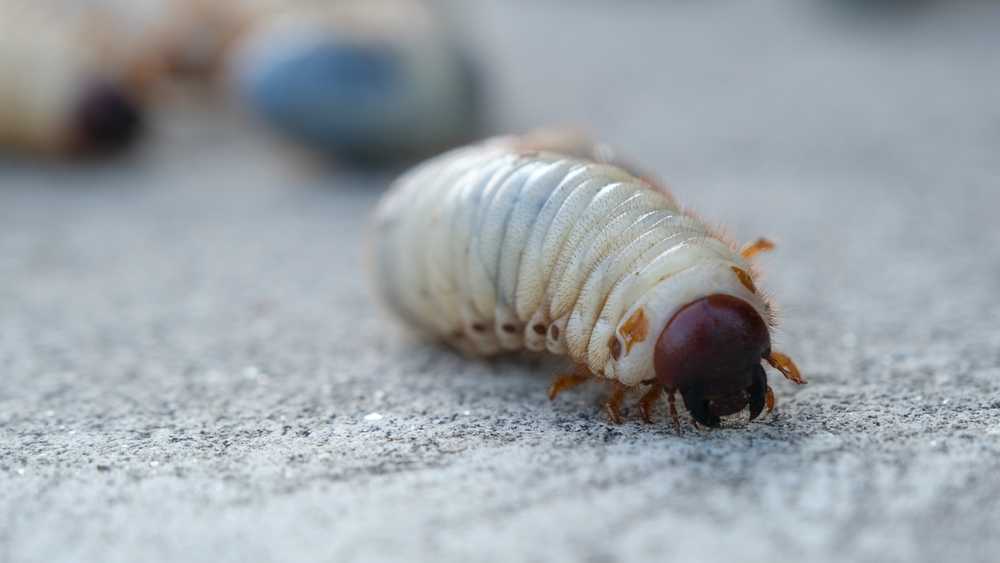
White grub worms may appear harmless with their cream-colored, C-shaped bodies, but they are among the most destructive pests feeding on grass roots beneath the soil surface. These larvae represent the larval stage of scarab beetles, including Japanese beetles, May/June beetles, green June beetles, and billbug larvae. If left untreated, grub worms can completely kill your lawn, turning it into a barren, dead wasteland.
A thorough understanding of their life cycle, feeding habits, and behavior is key to controlling them effectively. The most destructive damage typically occurs from late summer through early July, when grub worm activity peaks. Early detection and intervention give your lawn the best chance to survive and thrive.
Identifying Grub Worms
Grub worms are characterized by their cream-colored, C-shaped bodies with a distinctive rusty orange or brown head and six legs near the front. Among lawn-damaging insects, grub worms rank as one of the most destructive species.
To confirm a grub worm infestation, inspect dead or thinning grass patches by carefully lifting the sod. Finding five or more white grub worms per square foot is a strong indicator of a serious grub problem that requires immediate treatment.
Types of Grub Worms
Different grub species vary in their damage potential and behavior. Common lawn offenders include:
- Japanese Beetle Grubs: Easily identified by a distinctive V-shaped row of tiny dark hairs on their rear, these grubs relentlessly consume grass roots. Milky spore disease offers long-term, organic control specifically targeting Japanese beetle grubs.
- May/June Beetle Grubs: These grubs live underground for 2 to 3 years, feeding on roots of tall fescue and other turfgrasses. Their adult stage is brief and relatively harmless, but the prolonged larval stage causes significant cumulative damage.
- Green June Beetle Grubs: Known for their unique burrowing and backward walking behavior on soil surfaces during heavy rain or autumn, these grubs feed on decaying plants and seedlings, suffocating grass and other plants.
- Oriental Beetle Grubs: Originating from Asia, these grubs become active in late summer, causing brown patches with irregular blotches. They are similar in size to Japanese beetle grubs but differ in coloration and feeding patterns.
- Southern Masked Chafer: Native to North America, these grubs feed primarily on the roots of cool-season grasses. Their adult beetles emerge in midsummer, and identification relies on hair patterns on the rear segments.
Knowing your enemy in detail helps you devise the most effective and targeted control strategy.
Signs of Grub Worm Infestation
Common symptoms of grub worm infestation include:
- Brown patches in the lawn that persist despite regular watering.
- Spongy or soft turf that lifts easily like a carpet when stepped on.
- Increased digging activity by other animals, such as raccoons, skunks, birds, and moles
Damage is most visible when grubs are actively feeding near the soil surface during spring and autumn seasons.
Lifecycle of Grub Worms
Female beetles deposit eggs just below the soil surface in early summer. Eggs hatch into small larvae that begin feeding on grass roots in the topsoil. Throughout spring and fall, grubs feed actively near the surface, then move deeper into the soil to overwinter.
The larval stage of May and June beetles can last several years, requiring precise timing and repeated treatments for effective control.
Seasonal Timeline for Grub Worm Control
- June–July (Early June to Early July): Adult beetles emerge from the soil and deposit eggs just below the soil surface.
- Summer: Eggs hatch; newly hatched grubs begin feeding on grass roots near the soil surface. Preventive treatments using granular formulation products are most effective at this stage to stop damage before it starts.
- Autumn: Grubs continue feeding actively, causing noticeable lawn damage. Curative treatments are effective, targeting large grubs feeding near the soil surface.
- Winter: Grubs retreat deeper into the soil to overwinter and remain dormant.
- Spring: Grubs return near the surface and resume feeding, providing another critical window for curative treatment applications.
Preventing Grub Worm Infestations
The best defense against grub worms is a healthy, well-maintained lawn achieved through proper mowing, watering, fertilization, aeration, and thatch management. Regular lawn inspections help detect problems early before they escalate.
Preventive treatments should be applied between late June and early July to target newly hatched grubs before they cause significant root damage. Adding natural repellents like garlic and pepper extracts can strengthen your lawn’s defenses while attracting beneficial insects that prey on grubs.
Using grub-resistant turfgrass varieties and incorporating organic soil amendments further enhances protection and promotes a resilient lawn.
Cultural Lawn Care Practices to Prevent Grub Worms
- Proper Mowing: Maintain recommended grass heights to encourage strong, deep root systems.
- Irrigation Scheduling: Water deeply but infrequently to promote deep roots; avoid overwatering, which can attract grub worms and other pests.
- Fertilization Timing: Apply balanced fertilizers at appropriate times to support vigorous turf growth.
- Soil pH Management: Regularly test and adjust soil pH to optimal levels suited for your grass type.
- Aeration and Thatch Management: Reduce soil compaction and remove excess thatch to improve soil health and reduce grub worm habitat.
Organic Methods to Control Grub Worms
Beneficial nematodes are microscopic predators of grub worms that actively seek out and kill them in moist soil when applied in the evening to avoid sunlight exposure. Milky spore disease targets Japanese beetle grubs specifically and can persist in soil for many years, gradually spreading and providing long-term organic control.
Granular organic formulations allow for even application across the lawn, effectively killing small grubs if applied promptly after hatching.
Biological controls using fungi and predatory insects also exist, though they are less commonly employed in typical lawn care.
Chemical Treatments for Grub Worms
Severe grub worm infestations may require the use of curative insecticides such as carbaryl and trichlorfon. The timing of application is critical—target large grubs feeding near the soil surface for maximum effectiveness. Watering before and after treatment enhances insecticide penetration and grub mortality.
Preventive chemical applications in July can disrupt the grub life cycle and stop grubs from developing into damaging pests. Professional application ensures precise timing, dosage, and safety for optimal results.
Environmental Impact of Chemical Treatments
While chemical insecticides are effective, they can also harm beneficial insects, pollinators, and overall soil health if misused. Overuse may lead to resistance in grub populations and environmental damage. Always follow label instructions carefully and combine chemical treatments with organic and cultural methods for sustainable, eco-friendly control.
Additional Lawn Care Tips to Reduce Grub Worm Damage
- Create garden habitats to attract natural predators like beneficial insects and birds.
- Avoid excessive fertilization and overwatering, which encourage grub populations.
- Aerate soil regularly to improve drainage and strengthen roots.
- Rotate turfgrass types or reseed with resistant varieties to prevent grub adaptation.
Professional Grub Worm Control
When DIY methods fail or infestations persist, professional pest control services provide accurate inspections and customized treatment plans, ensuring effective grub worm management tailored to your lawn’s specific needs.
IPM combines cultural practices, biological controls, and chemical treatments to create an unfavorable environment for grub worms. Key elements include reducing soil moisture, promoting thick, healthy turfgrass, and encouraging natural predators for sustainable lawn protection.
Effective grub worm control relies on understanding their behavior, early detection, and timely application of appropriate treatments. Combining beneficial nematodes, milky spore disease, chemical curatives, and professional assistance offers the best defense to maintain a green, healthy lawn year-round.
Frequently Asked Questions
What are the signs of grub worm presence in my yard?
Brown patches, spongy turf, and increased digging by other animals indicate a grub worm infestation.
Which organic methods control grub worms effectively?
Beneficial nematodes and milky spore disease provide organic grub worm control without harming other insects.
When is the best time to apply preventive grub worm treatments?
Late June to early July, targeting newly hatched grubs, is the optimal time for preventive applications.
Why hire professional grub worm control services?
Professionals offer precise inspections and effective treatments that protect lawns for extended periods.
Integrated Pest Management strategies enhance lawn health and reduce soil moisture, combining environmentally sound methods for pest control services in Hayward, California and effective grub worm control.
"*" indicates required fields
"*" indicates required fields