 Agents Available 24/7
Is Mouse Poison Safe for Pets and Children?
Is mouse poison safe for pets and children? While mouse poison can be effective against rodents, it poses significant risks to your loved ones. In this article, we will explore what mouse poison is, the risks involved, and safer alternatives to protect your home and family.
- Mouse poisons, primarily anticoagulants, are effective against rodents but carry serious risks to pets and children due to their toxicity and delayed effects.
- Accidental ingestion of mouse poisons can cause severe symptoms such as internal bleeding and respiratory distress, making early detection and treatment critical.
- Safer alternatives include traps and professional pest control services, which reduce health risks while effectively managing rodent populations.
Understanding Mouse Poison
Mouse poison, also known as rodenticide, is designed to eliminate rodents like mice and rats by causing fatal effects. These poisons often work through anticoagulant properties, preventing blood from clotting and leading to internal bleeding in rodents. To be effective, most rodenticides require multiple feedings over several days, ensuring the lethal dose is ingested. This slow-acting nature deceives rodents into not associating the bait with its effects.
While mouse poisons can be effective, they come with significant risks, especially in homes with pets and children. Understanding the different types of mouse poisons and their active ingredients is essential for safe rodent control.
Types of Mouse Poisons
Anticoagulant rodenticides are the most common mouse poisons. These include substances such as bromadiolone and brodifacoum, effective even with a single feeding. Popular brands like d-Con: Mouse Prufe II® and Talon® contain these active ingredients. They prevent rodents’ blood from clotting, leading to internal bleeding and death.
Their delayed action means mice consume the bait without immediate effects, reducing bait shyness. However, this delay increases the risk of accidental ingestion by pets and children before symptoms appear.
Knowing the specific active ingredient and how it affects the body helps you choose safer and more effective options for your household, especially with vulnerable family members.
Risks of Mouse Poison for Pets and Children
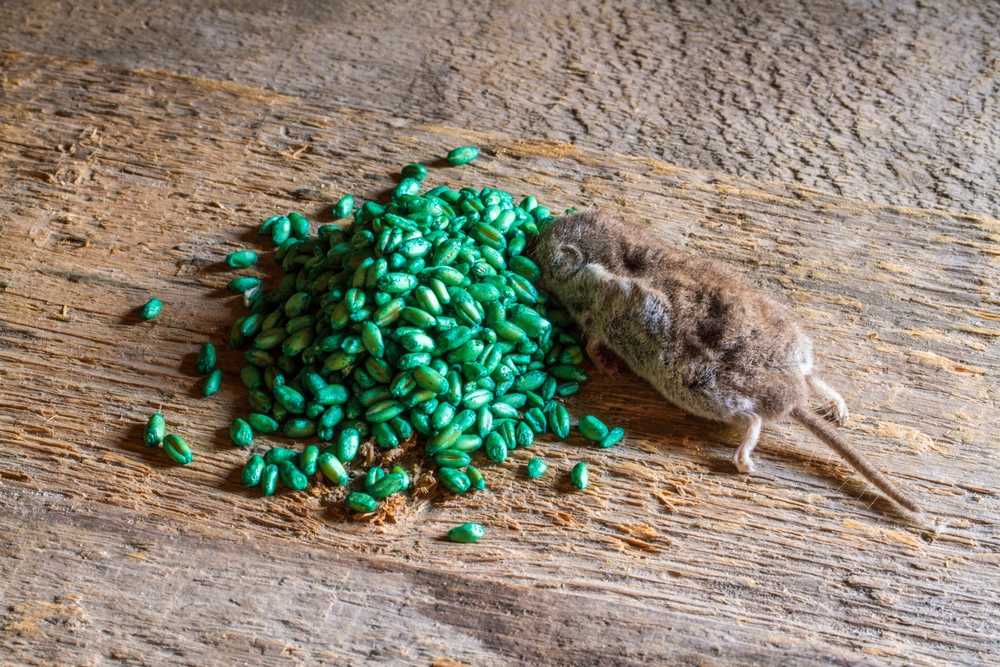
Mouse and rat poisons contain toxic chemicals that pose significant risks if pets or children eat them.
Factors increasing risk include:
- Easy accessibility in the home
- Food-like taste and smell
- Bright colors that attract pets and children
- Placement in accessible areas like under radiators, ovens, near refrigerators, or trash
Ingesting anticoagulant rodenticides can cause symptoms such as bruising, bleeding from the nose and gums, and internal bleeding in pets and children. Keeping poisons out of reach and promptly removing dead rodents helps prevent secondary poisoning.
Symptoms of Poison Ingestion
Early recognition of symptoms is vital for effective treatment. Common signs include bruising, internal bleeding, respiratory distress, lethargy, seizures, and gastrointestinal upset. These symptoms can escalate rapidly, so quick action is essential.
Immediate Actions to Take
If you suspect that a pet or child has ingested mouse poison, contact medical professionals immediately. For pets, veterinary treatment may include activated charcoal to limit absorption, depending on the poison.
Accurately identifying the poison’s active ingredient is critical to confirm the appropriate treatment. Quick medical attention ensures the safety of your loved ones.
Safe Usage of Mouse Poisons
Safe use of mouse poisons involves placing bait stations in areas inaccessible to pets and children and strictly following product label instructions. Regularly inspect these areas to ensure poisons remain out of reach.
Hiring licensed pest control services offers tailored rodent management using non-toxic methods and long-term solutions. If you’re concerned about the reasons rodents are entering your home, professionals manage infestations effectively and clean up pest-related messes, keeping your home safe.
Using Bait Stations
Rodenticides often come in ready-to-use bait stations containing food-based mouse baits like peanut butter, designed to attract rodents. These stations are refillable and weather-resistant, suitable for various environments.
Bait stations allow rodents to access poison while preventing pets and children from reaching it, significantly reducing accidental poisoning risks.
Minimizing Exposure Risk
Store poisons in locked cabinets, keep them in original containers, and use child- and dog-resistant refillable stations for added safety. These precautions reduce the risk of accidental ingestion and keep your house safe.
Alternatives to Mouse Poisons
Due to the risks associated with mouse poisons, safer alternatives are essential. Traps and professional pest control services offer effective rodent management without poison-related dangers, protecting pets and children.
Traps
Various types of traps are available, including snap traps, electric traps, and live catch traps. Snap traps provide quick kills, minimizing suffering. Multi-catch traps capture several mice without frequent monitoring.
Choosing the right trap helps control mice safely while protecting non-target animals.
Treatment and Prevention
Using traps and professional services effectively controls mice without poison risks. Integrated Pest Management (IPM) offers rodent control focusing on patience and consistency without chemicals.
Treatment Options
If mouse poison ingestion is suspected, seek immediate medical help. Do not induce vomiting unless advised. Identifying the poison’s active ingredient and following medical guidance ensures the safety of your family and pets.
Preventive Measures
Seal gaps and cracks to prevent mice entry. Natural deterrents like peppermint or clove oil can repel mice from your house. Combining these methods helps prevent infestations and reduces the need for mouse poison. For those also dealing with spiders, consider these natural methods to deter spiders to keep them out of your home.
Mouse poisons can be effective but pose serious risks to pets and children. Understanding these risks, using poisons safely, and opting for alternatives like traps and professional pest control are key to managing rodents safely. Preventive measures further protect your home and loved ones from mouse poison dangers.
Frequently Asked Questions
What kills mice the quickest?
Zinc phosphide kills mice fastest, causing death within hours after ingestion. This acute toxicant rapidly reduces mouse populations.
What should I do if my pet eats mouse poison?
Contact a veterinarian immediately for guidance and treatment. Prompt action is crucial for your pet’s safety.
Are there safer alternatives to mouse poisons?
Yes. Traps and professional pest control services manage infestations effectively while minimizing risks to pets and children.
How can I minimize risk of exposure to mouse poisons?
Store poisons securely in locked locations and use child- and pet-resistant bait stations to keep your house safe.
What symptoms indicate poison ingestion?
Look for bruising, internal bleeding, lethargy, seizures, and gastrointestinal upset. Immediate action is vital.
"*" indicates required fields
"*" indicates required fields