 Agents Available 24/7
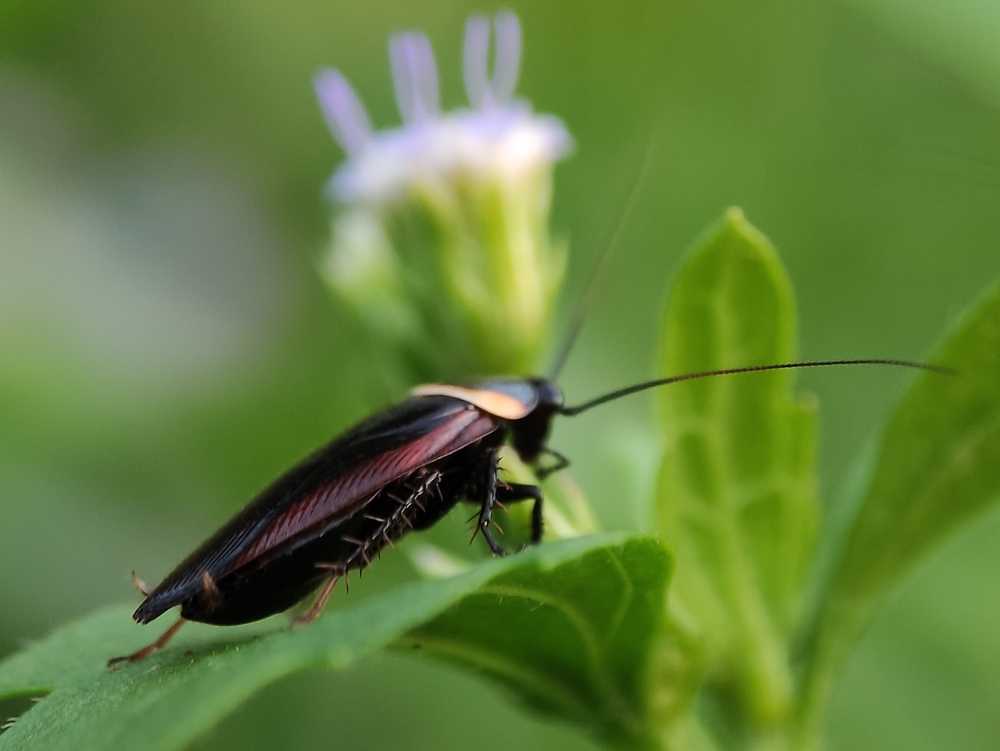
Guide to Identifying Different Types of Roaches
Understanding the types of roaches is essential for effective prevention and control. This guide covers the most common cockroach species in North America, such as the German cockroach and American cockroach, detailing their habits and preferred environments. By the end, you’ll know how to identify different roaches and manage infestations effectively, gaining a comprehensive understanding of the various types of roaches that can invade homes and businesses.
Identifying the types of roaches present in your environment enables you to apply targeted control measures, including sanitation, monitoring, and the use of cockroach baits, to reduce and manage cockroach populations effectively. This balanced knowledge will empower you to tackle cockroach infestations with confidence and efficiency.
Common Species in North America
In North America, several species of cockroaches commonly infest homes and businesses. Understanding these species is crucial for effective cockroach control, as each exhibits unique habits and preferred environments. The most common species include:
- German cockroach
- Brown-banded cockroach
- American cockroach
- Oriental cockroach
Additionally, the Pennsylvania wood cockroach also appears.
Each of these cockroach species thrives in specific conditions. German cockroaches often inhabit humid environments, such as kitchens and bathrooms, while Brown-banded cockroaches prefer warmer indoor areas, typically away from kitchens. American cockroaches mostly live outdoors but can also infest indoor spaces.
People commonly call Oriental cockroaches “water bugs” because they seek out damp, dark areas. Pennsylvania wood cockroaches primarily live outdoors and occasionally wander indoors.
German Cockroach (Blattella germanica)
German cockroaches rank among the most common indoor pests, known for their rapid reproduction and resilience. These small, light brown to tan cockroaches display two dark stripes running behind their head, making them easy to identify. The female tends to appear slightly darker than the males. Because a single female can produce 4 to 8 egg capsules in her lifetime, each containing 30 to 40 eggs, their rapid reproductive cycle can cause swift and severe infestations if left uncontrolled.
These cockroaches thrive in humid environments, often inhabiting kitchens and bathrooms near food sources. They hide in tight spaces like cracks and crevices around sinks, appliances, cupboards, and baseboards, leading to a potential cockroach infestation.
Their rapid reproduction and preference for household areas make German cockroaches a significant problem if people do not address them promptly.
Brown Banded Cockroach (Supella longipalpa)
Brown-banded cockroaches measure between 3/8 to 1/2 inch in size and feature pale brown bodies with distinct darker brown bands running across their wings and legs. Unlike German cockroaches, brown-banded cockroaches prefer warmer indoor areas and often hide behind furniture, on walls, and near electronic appliances, typically avoiding kitchens.
Female Brown-banded cockroaches glue their egg cases in hidden locations such as ceilings and dark spaces behind furniture. Males can fly, while females cannot, and both are predominantly active at night. Their preference for warm indoor areas and ability to hide in less obvious places make them challenging pests to detect and control.
American Cockroach (Periplaneta americana)
The American cockroach, scientifically known as Periplaneta americana, is the largest common species of cockroach in North America, with adults reaching up to two inches in length. These reddish-brown cockroaches originate from Africa but have adapted to thrive in warm, humid environments worldwide.
American cockroaches prefer city sewer systems, basements, and commercial food areas, but they can occasionally invade indoor spaces. Adult females lay egg cases that turn black within one to two days after depositing them.
Due to their size and preference for humid environments, American cockroaches can alarm people when found indoors.
Oriental Cockroach (Blatta orientalis)
People often call Oriental cockroaches “water bugs.” They appear dark brown to black and typically measure about 2.5 cm (1 inch) long. Males possess short wings, while females lack wings entirely. These cockroaches prefer damp habitats and seek moist, dark environments.
You often find Oriental cockroaches in damp basements, around drains, and around plumbing leaks, where moisture attracts them. Their nymphs take between 6 to 20 months to develop into adults, and adult oriental cockroaches live from 12 to 15 months.
Because they prefer moist environments, Oriental cockroaches can carry potential pathogens, increasing the need for effective cockroach control.
Pennsylvania Wood Cockroach (Parcoblatta pensylvanica)
Pennsylvania wood cockroaches primarily live outdoors, commonly inhabiting wooded areas and firewood piles. Adult males range from 7/8 to 1 1/8 inches, while females are slightly smaller, measuring 1/2 to 3/4 inches. Their chestnut brown color features white edges visible on the pronotum and wings.
Male Pennsylvania wood cockroaches are attracted to porch lights, which sometimes can lead to indoor sightings during mating seasons. However, females rarely enter homes and do not breed indoors. Their primary habitat of wood piles and outdoor areas makes them less persistent indoors compared to other species.
Cockroach Habits and Behavior
Experts categorize cockroaches into two main groups: domestic species that thrive indoors and peridomestic species that usually reside outdoors. Recognizing their habits helps people control and prevent infestations. Cockroaches adapt well to human environments, making some areas more prone to infestations.
Different species prefer various hiding spots, food sources, and conditions. For example, German cockroaches commonly inhabit kitchens and pantries, while American cockroaches prefer outdoor environments, but also appear indoors. Oriental cockroaches often dwell in damp areas, particularly around drains, associating them with moisture and potential pathogens.
Recognizing these habits aids in identifying and controlling infestations more effectively.
Nocturnal Behavior
Cockroaches mainly remain active at night when they search for food and water. This nocturnal activity helps them avoid human interaction and increases their chances of finding food sources undisturbed. During these nighttime forays, cockroaches locate food sources more effectively when human activity is minimal.
People usually see cockroaches during the day only when infestations become heavy or when pesticides poison them. Daytime sightings of German cockroaches often indicate a large population. Thus, nocturnal behavior plays a crucial role when assessing infestation severity.
Preferred Hiding Spots
Cockroaches prefer hiding in cracks and crevices to stay concealed. This behavior, called thigmotaxis, drives them to seek tight spaces for hiding. During the day, cockroaches hide in various locations to avoid detection. They like humid areas, such as behind appliances, under sinks, and in crawl spaces.
Cockroaches often shelter in dark, moist environments like basements and around plumbing leaks. Knowing these hiding spots helps locate and control populations effectively.
Movement and Spread
In multi-unit buildings, cockroaches easily move between units through shared walls and plumbing. They often enter through cracks in walls, as well as around pipes, vents, and windows. Sealing these openings and maintaining buildings’ physical condition significantly reduces cockroach numbers.
Cockroaches have complex life cycles that enable them to adapt and thrive in various environments. Understanding their movement and spread helps implement effective control measures. By addressing entry points and maintaining proper sanitation, people can minimize cockroach spread.
Effective Cockroach Control Methods
Maintaining a pest-free environment relies on effective cockroach control methods. Specialized pest control services apply tailored strategies and techniques to efficiently eliminate severe cockroach infestations, often more effectively than DIY methods.
Hiring pest control professionals grants access to expert knowledge and advanced treatment methods, yielding better results. Their specialized understanding of pest behavior enables efficient identification and treatment of infestations.
Sanitation Practices
Cleanliness remains the most important aspect of cockroach control. Sanitation serves as the key control strategy against cockroaches. Food scraps and improper waste management promote infestations, so storing food in tight containers proves essential.
To reduce access to food and water, fix leaky faucets and pipes, and improve ventilation. Overall sanitation should address leaks, food sources, food preparation areas, and building openings. Cockroaches thrive in areas with even minimal food and water sources, emphasizing the need for rigorous sanitation.
Traps and Monitors
Sticky traps help monitor cockroach populations, determine activity areas, and evaluate control measures. Glue-board traps work particularly well for this purpose. By placing these traps in strategic locations, people can assess infestation severity and take appropriate control measures.
Insecticidal Baits and Dusts
Insecticidal baits come in various forms, including gels, granules, and containerized bait stations. People should read labels carefully, apply baits only where needed, and keep them away from children and pets. When using bait stations, place them in strategic locations, and use at least 10 bait stations in kitchens.
Insecticidal dusts like diatomaceous earth work by dehydrating cockroaches and serve as effective tools in pest management.
Professional Pest Control Services
An integrated pest management approach uses various strategies to manage cockroach populations effectively. Professional pest control services play a vital role in managing severe cockroach infestations. Utilizing expert knowledge and targeted treatments, professionals provide long-term solutions to cockroach problems.
Choosing professional pest control services ensures comprehensive and sustainable results, unlike DIY methods.
Benefits of Professional Help
Regular pest control treatments administered by professionals significantly reduce or eliminate infestations through targeted and effective methods. Hiring professional services saves money by preventing costly emergency treatments, as proactive management helps avoid larger infestations.
Professional pest control services bring extensive knowledge and experience in order to effectively manage infestations. Their expertise ensures efficient handling of infestations, reducing the risk of recurrence.
Understanding the different types of cockroaches and beetles and their habits remains crucial for effective pest control. From the small but prolific German cockroach to the large and intimidating American cockroach, each species requires specific strategies for identification and management. Implementing proper sanitation practices, using traps and insecticidal baits, and seeking professional help significantly reduce and eliminates cockroach infestations. Armed with this knowledge, you can take proactive steps to maintain a pest-free environment and ensure the health and safety of your home or business.
Frequently Asked Questions
What are the common species of cockroaches found in North America?
The common species of cockroaches found in North America are the German cockroach, Brown-banded cockroach, American cockroach, Oriental cockroach, and Pennsylvania wood cockroach. These species appear frequently and can often be encountered in various environments.
Why are cockroaches primarily active at night?
Cockroaches remain primarily active at night because they are nocturnal creatures that seek food and water when human activity is low, allowing them to remain undetected. This behavior helps them survive and thrive in their environments.
What sanitation practices can help control cockroach infestations?
Implementing proper sanitation practices, such as storing food in airtight containers, repairing leaks, and keeping food preparation areas clean, helps control cockroach infestations. These measures significantly reduce attractants and breeding sites, effectively mitigating the risk of an infestation.
How do professional pest control services benefit cockroach management?
Professional pest control services benefit cockroach management by delivering targeted treatments and utilizing expert knowledge, ensuring more efficient and sustainable infestation control.
What additional services does PURCOR offer to prevent future infestations?
PURCOR provides post-infestation cleanup services to ensure thorough sanitation of areas such as basements and crawlspaces, effectively preventing future infestations.
"*" indicates required fields
"*" indicates required fields