 Agents Available 24/7
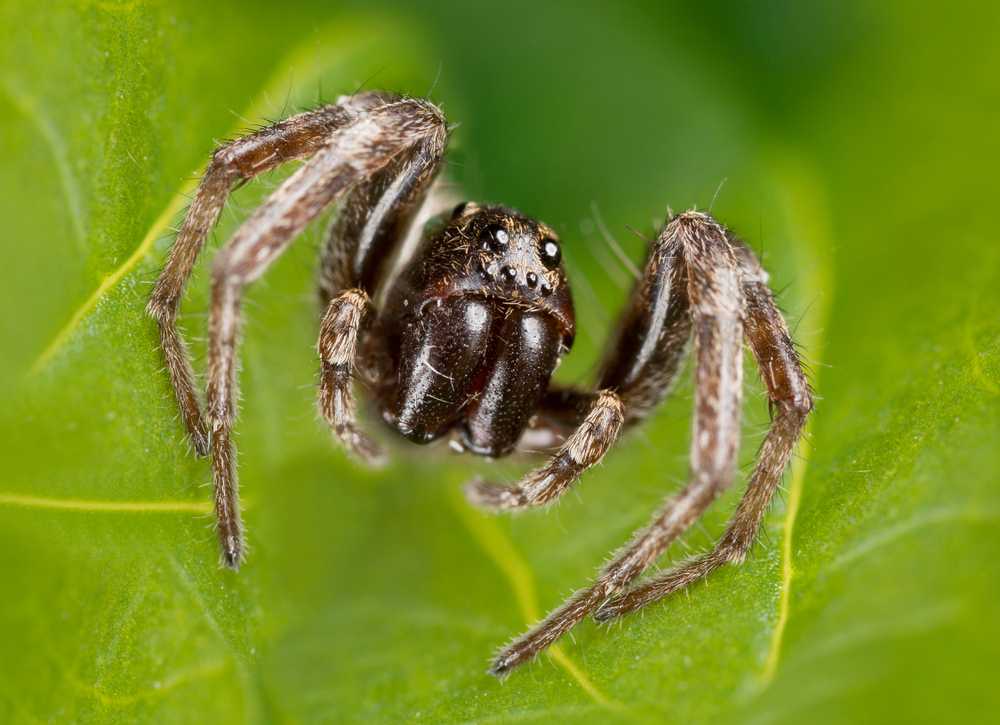
Wolf Spider Size: Essential Facts and Comparisons
Wolf spiders vary in size, typically ranging from 1 to 2 inches in body length and 3 to 4 inches in leg span, which contributes to their overall wolf spider size. This makes them larger than many common household spiders. In this article, we will investigate the size differences between male and female wolf spiders, compare them with other spider species, and explore the factors that influence their size.
- Wolf spiders typically measure between 1 to 2 inches in body length, with leg spans of 3 to 4 inches, making them larger than many common household spiders.
- Female wolf spiders are generally larger than males, which aids in carrying their egg sacs, while males are smaller and more agile for mate-seeking.
- Various factors such as age, diet, and environmental conditions significantly influence the size of wolf spiders, highlighting their adaptability across different habitats.
Understanding Wolf Spider Size
Wolf spiders typically measure between 1 to 2 inches in body length, making them noticeably larger than most spiders found in homes. This size range can vary significantly among the nearly 2,400 species of wolf spiders, with some larger species exceeding 1.6 inches in body length. For instance, compared to the brown recluse spider, which usually has a body size of about 0.5 to 1 inch, wolf spiders are considerably more robust.
The leg span of wolf spiders can extend roughly 3 to 4 inches, with their long legs aiding in swift movement across the ground during hunting. Tarantulas, on the other hand, can reach sizes of up to 10 inches across. These differences highlight the diversity of the spider world and the specific adaptations of each species.
The body size of wolf spiders typically spans from 10 to 35 mm, showcasing the diversity even within this single family of spiders. This variation is a testament to their adaptability and the wide range of environments they inhabit, from suburban gardens to alpine meadows. Such adaptability is reflected not only in their size but also in their ability to thrive in diverse climates and terrains, making wolf spiders a widespread and resilient group within the arachnida order.
Comparing Male and Female Wolf Spiders
Female wolf spiders are generally larger than their male counterparts, showcasing a noticeable size disparity. Female wolf spiders typically measure between 5.1 to 6.4 millimeters in body length, whereas males range from 4.3 to 5 millimeters. This consistent size difference can be attributed to the roles each gender plays in their lifecycle and reproductive strategies.
Females are often larger to accommodate carrying and protecting their egg sacs, a unique behavior among female wolf spiders. This size advantage allows them to carry more eggs, ensuring a greater chance of survival for their offspring. The female wolf spiders carry their egg sacs attached to their spinnerets, which they transport as they move, a behavior that requires both strength and endurance.
In contrast, males, being smaller and more agile, are better suited for roaming widely to find mates, a critical task in their short lifespan. Their smaller size and agility help them avoid predators and increase their chances of reproductive success.
Recognizing these size differences aids in the accurate identification and study of wolf spiders. It also highlights the fascinating evolutionary adaptations these spiders have developed to thrive in their environments.
Notable Species: Carolina Wolf Spider
Among the diverse species of wolf spiders, the Carolina wolf spider stands out as the largest in North America. Female Carolina wolf spiders measure between 22 to 35 mm, while males measure slightly smaller, between 18 to 20 mm. This substantial size makes them a notable species for both researchers and enthusiasts.
The Carolina wolf spider, or Hogna carolinensis, is easily recognizable by its mottled dark brown appearance and darker underside. Males of this species display distinctive orange markings on their sides, adding to their unique look. This spider’s impressive size and striking features make it a fascinating subject of study.
Interestingly, the Carolina wolf spider holds the title of the official state spider of South Carolina, a testament to its prominence and the local appreciation for this remarkable arachnid. Studying the characteristics of this species offers valuable insights into the broader world of wolf spiders.
Factors Influencing Wolf Spider Size
The size of wolf spiders can vary widely based on several factors, including age, diet, and environmental conditions. As with many arachnids, younger spiderlings are significantly smaller than adults and grow through a series of molts. Their diet plays a crucial role in their growth, with those having access to abundant food sources tending to grow larger.
Environmental conditions also significantly impact their size. For instance, wolf spiders in warmer climates often grow larger due to increased temperatures and longer breeding seasons. The habitat they occupy can influence their development, as those living in nutrient-rich environments are likely to reach their maximum size potential. Additionally, factors such as humidity, availability of prey, and presence of predators can also affect their growth and overall health.
These factors help explain the diversity in size among wolf spiders and their ability to adapt to different environments. It underscores the complexity of their growth and the intricate balance of natural factors that influence their development.
Wolf Spider Growth Stages
Wolf spiders undergo a fascinating growth process that begins with the female carrying her egg sac attached to her spinnerets during incubation, which lasts about two weeks. This unique behavior ensures the safety of the eggs from predators and environmental hazards. Once hatched, the spiderlings climb onto the mother’s back, where they stay until they are ready to venture out on their own.
The young wolf spiders resemble miniature adults at birth, a process known as simple metamorphosis. As they grow, they shed their exoskeleton multiple times, with each molt increasing in size. This gradual growth allows them to adapt to their environment and improve their hunting skills over time.
Juvenile wolf spiders are significantly smaller than adults, typically measuring under half an inch. This size difference highlights the dramatic growth they undergo to reach adulthood. Studying these growth stages offers insight into the lifecycle and developmental milestones of wolf spiders.
Visual Identification by Size
Size, combined with other physical characteristics, provides a practical method for identifying wolf spiders. Male wolf spiders exhibit distinctive white hairs on their legs, which can help differentiate them from females. These visual markers aid in accurate identification, especially in well-lit areas where details are clearer.
When measuring wolf spiders, safety is paramount. Using a container to trap the spider can minimize direct contact and reduce the risk of wolf spider bites. Additionally, wearing gloves when handling wolf spiders is advisable to further protect against any potential defensive bites. These precautionary measures ensure both the safety of the handler and the spider.
Using proper tools like a soft measuring tape or ruler helps avoid harming the spider during measurement. This careful approach ensures accurate measurements and contributes to a better understanding of these fascinating creatures.
The Role of Size in Hunting
The size of wolf spiders plays a crucial role in their hunting strategies. As agile wandering spiders with eight legs, they primarily hunt by chasing down ground-dwelling insects and small reptiles, leveraging their size and speed to capture prey. Their large eyes and excellent eyesight, with eight eyes arranged in three rows — including a middle row with two medium-sized eyes — enable them to spot and stalk prey effectively.
Wolf spiders utilize a combination of stealth and pouncing to stalk their prey, often tackling a wide variety of insects and even small amphibians. This adaptability allows them to thrive in different environments, from deserts to forests, by adjusting their hunting techniques based on the available wolf spider prey. Unlike most spiders that rely on spinning webs, wolf spiders hunt actively on the ground.
In warmer climates, wolf spiders tend to grow larger and reproduce more frequently due to favorable conditions. These environmental factors influence their feeding behavior and, consequently, their growth and size. Recognizing the role of size in their hunting strategies highlights the balance between their physical attributes and ecological success.
Wolf Spider Size vs. Other Spiders
The size of wolf spiders stands out significantly when compared to other spiders. Wolf spiders can grow up to 1.5 inches in body length, with leg spans extending up to 4 inches. This makes them one of the larger spider species, capable of competing with other common spiders in their ecosystems.
In contrast, tarantulas can reach sizes of up to 10 inches in leg span, significantly larger than wolf spiders. Brown recluse spiders, on the other hand, typically measure around 0.5 to 2 inches, making them noticeably smaller. These size differences influence their predatory capabilities and roles within their respective environments.
The size of wolf spiders aids in their predatory capabilities, allowing them to tackle a wide range of prey and occupy various ecological niches. This comparison underscores the diversity within the spider world and the unique adaptations each species has developed.
How to Safely Measure Wolf Spiders
To safely measure wolf spiders, always wear gloves and long sleeves to reduce the risk of bites. Using a soft measuring tape or ruler, measure the body of the wolf spider from the tip of its mouth to the end of its abdomen. This method ensures accurate measurements while minimizing stress and potential harm to the spider.
Measuring wolf spiders in a well-lit area ensures precision. Following these safety precautions allows you to measure wolf spiders accurately without provoking a defensive response.
Understanding the size of wolf spiders is crucial for identification, safety, and appreciating their ecological roles. From the size differences between males and females to the notable characteristics of the Carolina wolf spider, these insights provide a comprehensive view of these fascinating arachnids.
Recognizing the factors that influence their size, their growth stages, and their hunting strategies underscores the complexity and adaptability of wolf spiders. Whether you’re an enthusiast or concerned about pest control, knowing more about wolf spider size enhances your understanding and safety.
Frequently Asked Questions
What is the typical size range of wolf spiders?
Wolf spiders generally measure between 0.4 inches (1 cm) and 1.6 inches (4 cm) in body length, although some larger species can exceed these dimensions.
How can you differentiate male and female wolf spiders?
You can differentiate male and female wolf spiders by size; females are generally larger, measuring between 5.1 to 6.4 millimeters, while males range from 4.3 to 5 millimeters. This size distinction is a reliable characteristic for identification.
What is the largest species of wolf spider in North America?
The largest species of wolf spider in North America is the Carolina wolf spider (Hogna carolinensis), with females measuring 22 to 35 mm and males 18 to 20 mm.
What factors influence the size of wolf spiders?
The size of wolf spiders is primarily influenced by their age, diet, and environmental conditions like habitat and food availability. Understanding these factors can help you appreciate the variability in their size.
How can you safely measure a wolf spider?
To safely measure a wolf spider, wear gloves and long sleeves, and utilize a soft measuring tape or ruler to measure from the tip of its mouth to the end of its abdomen. This approach will protect you while ensuring accurate measurements.
"*" indicates required fields
"*" indicates required fields