 Agents Available 24/7
Understanding the Purpose of a Mud Wasp Nest in Your Garden
Found a mud wasp nest and unsure what to do? This guide will explain what it is, why it’s there, and how to deal with it. We’ll cover everything from their construction to safe removal methods.
- Mud dauber nests consist of mud and saliva. They serve as protective sanctuaries for eggs and larvae.
- Various types of mud dauber wasps show distinct nesting behaviors and ecological roles. Some even occupy nests built by others.
- While they benefit from pest control, mud dauber nests may challenge homeowners. They can cause structural damage and require careful removal and prevention.
What is a Mud Wasp Nest?
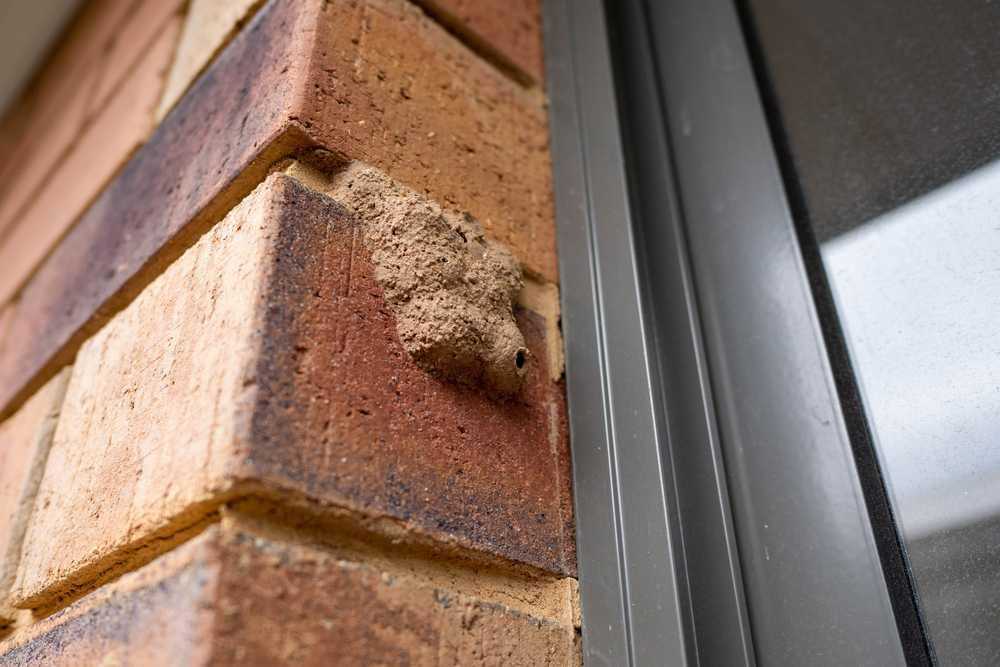
Solitary female wasps create mud dauber nests, usually tubular in shape. They mix mud with saliva to form a sturdy material. This material withstands various environmental conditions. The female mud dauber gathers mud balls from puddles using her mandibles. She carries them back to the nest site. There, she carefully shapes the mud.
These nests serve a critical purpose beyond just being a home. Each female mud dauber builds her own nest, showing their solitary nature. The primary function is to protect eggs and larvae from threats like predators and harsh weather. You often find the nests on building exteriors. They look like small clay tubes and might go unnoticed if not for their unique appearance.
Recognizing the purpose and construction of mud wasp nests demystifies these structures. They are not random deposits but carefully crafted sanctuaries for the next generation. This understanding leads to a deeper exploration of these solitary insect architects.
Types of Mud Dauber Wasps
Mud dauber wasps come in various types, each with distinct characteristics and nesting habits. The most common are the black and yellow mud dauber, the organ pipe mud dauber, and the blue mud dauber. Each type plays a unique role in the ecosystem and shows fascinating behaviors.
The black and yellow mud dauber builds nests made of cylindrical cells, each sealed with mud. These nests often appear in sheltered spots. They protect the developing mud dauber larvae inside, including those of blue mud daubers.
Organ pipe mud daubers create nests that look like church organ pipes. They stack multiple cylindrical tubes closely together. These nests are usually on sturdy vertical surfaces.
Interestingly, the blue mud dauber does not build its own nests. Instead, it occupies abandoned nests of black and yellow mud daubers. This behavior shows resourcefulness and highlights the diversity among mud dauber wasps. It also underscores their interconnectedness in the ecosystem. Knowing these differences helps us appreciate mud dauber wasps better.
Construction of Mud Nests
Building mud nests is a meticulous process that shows the skills of these solitary wasps. Female mud daubers start by gathering small amounts of mud in their mandibles. They transport it to the chosen nest site. They use different soil types based on availability to ensure sturdiness.
At the nest site, the female shapes and molds the mud with her mandibles. She creates a series of compartments. Each compartment provides a safe environment for developing larvae. She seals them off to protect from external threats.
The female mud dauber lays eggs directly onto paralyzed spiders inside the nest. This ensures a ready food supply for larvae once hatched. The larvae feed on these stored spiders. The female selects and paralyzes spiders to keep them fresh but immobile. This process highlights the female’s planning and ensures offspring survival.
Common Nest Sites
Mud daubers choose various surfaces and locations for their nests. Vertical surfaces like walls and cliffs provide sturdy support. These spots also make nests less accessible to many predators.
Besides walls and cliffs, mud daubers build nests under bridges and overhangs. These places protect nests from rain and direct sunlight. Crevices and sheltered locations around buildings are also ideal. These choices show mud daubers’ adaptability and ability to thrive in many habitats.
The Life Cycle of Mud Dauber Wasps
The life cycle of mud dauber wasps has four stages:
- Egg
- Larva
- Pupa
- Adult
Once fully developed, adult mud daubers emerge. They continue the cycle by creating nests of their own.
Benefits and Drawbacks
Mud dauber wasps help with natural pest control. They regulate spider populations by hunting and paralyzing spiders to feed larvae. This helps maintain ecological balance in gardens and habitats.
However, mud dauber nests may pose challenges. They can cause structural damage and aesthetic issues. The mud can stain or deteriorate surfaces. The nests can also be unsightly.
Balancing these benefits and drawbacks is key to a harmonious garden environment.
Mud Dauber Nest Removal
Removing mud dauber nests needs careful planning and safety. Wearing protective clothing and gloves reduces sting risk. Evening is best for removal since wasps are less active then.
Removal is straightforward. Although nests are firmly attached, tools like paint scrapers can detach them. Cleaning the area after removal helps prevent new nests. Soapy warm water removes mud residue effectively.
Preventing Mud Dauber Nests
To prevent mud dauber nests, make your home less attractive to wasps. Seal cracks and entry points to block nesting sites. Intact window screens help keep wasps out of living spaces. Keep your yard clean and free of debris. Removing clutter reduces potential nesting spots. Natural deterrents like citrus oil sprays repel mud daubers without harm.
Mud dauber wasps are fascinating creatures with vital ecosystem roles. Their unique mud nests are secure homes for larvae. Understanding their types, nesting habits, and life cycle reveals their behavior and importance.
Effective removal and prevention help manage their presence while preserving ecological balance. Appreciating these solitary wasps and their nests adds wonder to gardens and encourages coexistence.
Frequently Asked Questions
What are mud dauber nests made of?
Mud dauber nests combine mud and the wasp’s saliva, forming durable tubular structures.
How can I identify different types of mud dauber wasps?
Observe the nests they create. Black and yellow mud daubers build smooth, cylindrical nests. Organ pipe mud daubers make nests resembling pipe organs. Blue mud daubers often use abandoned nests. These behaviors reveal each wasp’s identity.
What should I do if I find a mud dauber nest in my garden?
Wear protective clothing and remove the nest safely in the evening when wasps are less active. Alternatively, contact professional pest control services for removal.
Are mud dauber wasps dangerous to humans?
Mud dauber wasps do not pose a danger to humans. They are typically non-aggressive and sting only if provoked. They present minimal risk.
How can I prevent mud dauber wasps from nesting around my home?
Seal cracks, maintain window screens, and keep your yard free of debris. Consider natural deterrents like citrus oil sprays.
"*" indicates required fields
"*" indicates required fields